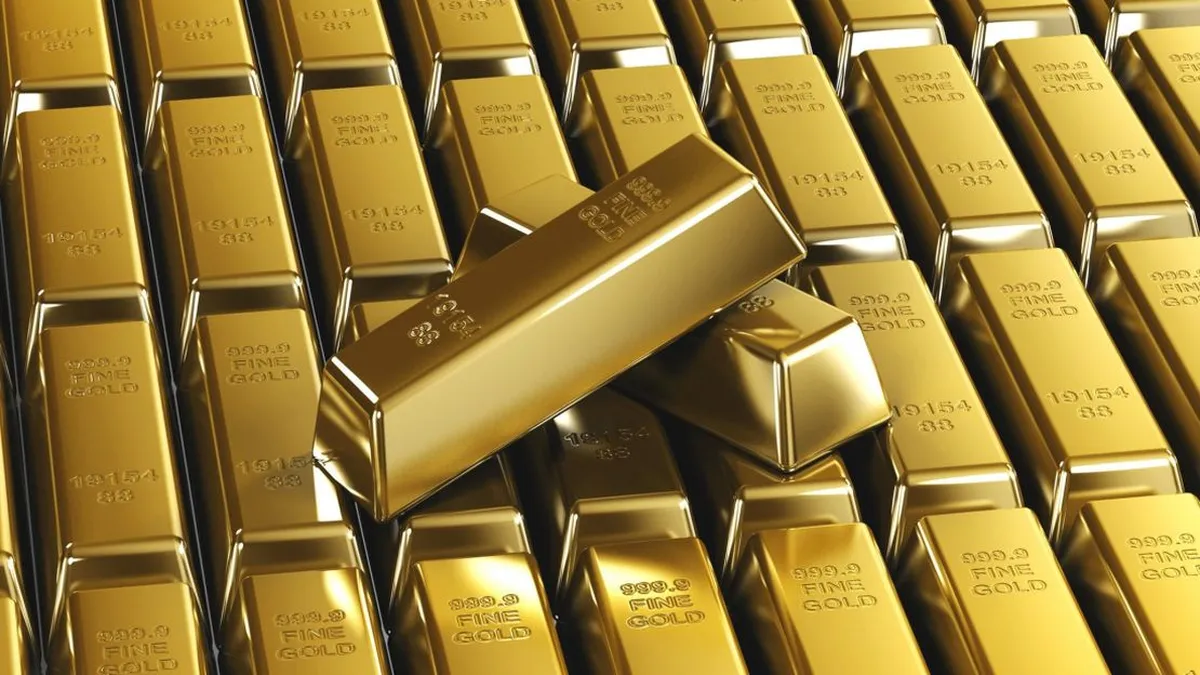
Buenos Aires, November 14, 2025 – Total News Agency-TNA – Central banks from various countries are significantly increasing their gold acquisitions, and in many cases without publicly declaring it, which adds a factor of uncertainty to the market and contributes to the escalation of the metal's prices. Approximately four years ago, 90% of the additional gold reserves acquired by central banks were reported to the International Monetary Fund; currently, only about a third is reported. At the same time, the accumulation of physical reserves places gold out of reach of traditional speculation and positions it as a refuge against financial and monetary instability. This scenario raises important questions. In a global context where currency wars or economic sanctions are gaining new relevance, gold emerges as a pillar of state strengthening rather than just an investment asset. In summary, central banks' gold purchases go beyond a traditional hedge against inflation: they are integrated into a logic of sovereign strategy, operational opacity, and realignment of the international monetary system. Firstly, there is a clear bet on de-dollarization: by increasing their gold reserves, China reduces its exposure to sanctions, financial blockades, or political pressures based on the dominance of the dollar. Secondly, clandestine accumulation avoids influencing prices upward before completing the operations: if the purchases were announced prematurely, they could generate an increase in the value of gold and, therefore, raise the acquisition cost for the buyer itself. This environment has direct macroeconomic consequences. The main protagonist of this movement is the People's Bank of China (PBoC). Officially, it declared only 25 tons of purchases this year, but estimates based on real export flows, imports, and internal production suggest a figure close to 250 tons for 2025. This phenomenon has multiple dimensions: from the strategy of diversification against the dollar to the operational opacity that prevents accurately estimating real reserves. The lack of clear information has turned gold accumulation into an increasingly opaque and structural operation. This phenomenon redefines the value of gold and generates consequences in the markets, the reserves of countries, and the global financial balance. The value of the troy ounce of gold recently surpassed $4,300, driven by the perception that official demand is greater than what reports reflect. Analysts point out that the market assumes a structural supply shortage against the high undeclared official demand, which reinforces the price increase. Simultaneously, official data show that China's reserves reached 2,303.5 tons in the third quarter of 2025. The motivations behind this strategy are multiple. According to analyses based on commercial and physical data, the lack of reporting generates a phantom demand that the market incorporates into its price expectations. How much can the growth of hidden demand influence the determination of the price of gold? What effects will a greater accumulation of physical reserves that are not visible in standard statistics have? How will this affect the dollar's position as a global reserve currency? The real answers will depend on the future transparency of central banks and the evolution of geopolitical balances. The certain thing is that institutional buyers—fundamentally countries with a strategic interest in diversifying their reserves—have turned gold into a key instrument to transfer financial sovereignty and reduce external vulnerabilities.